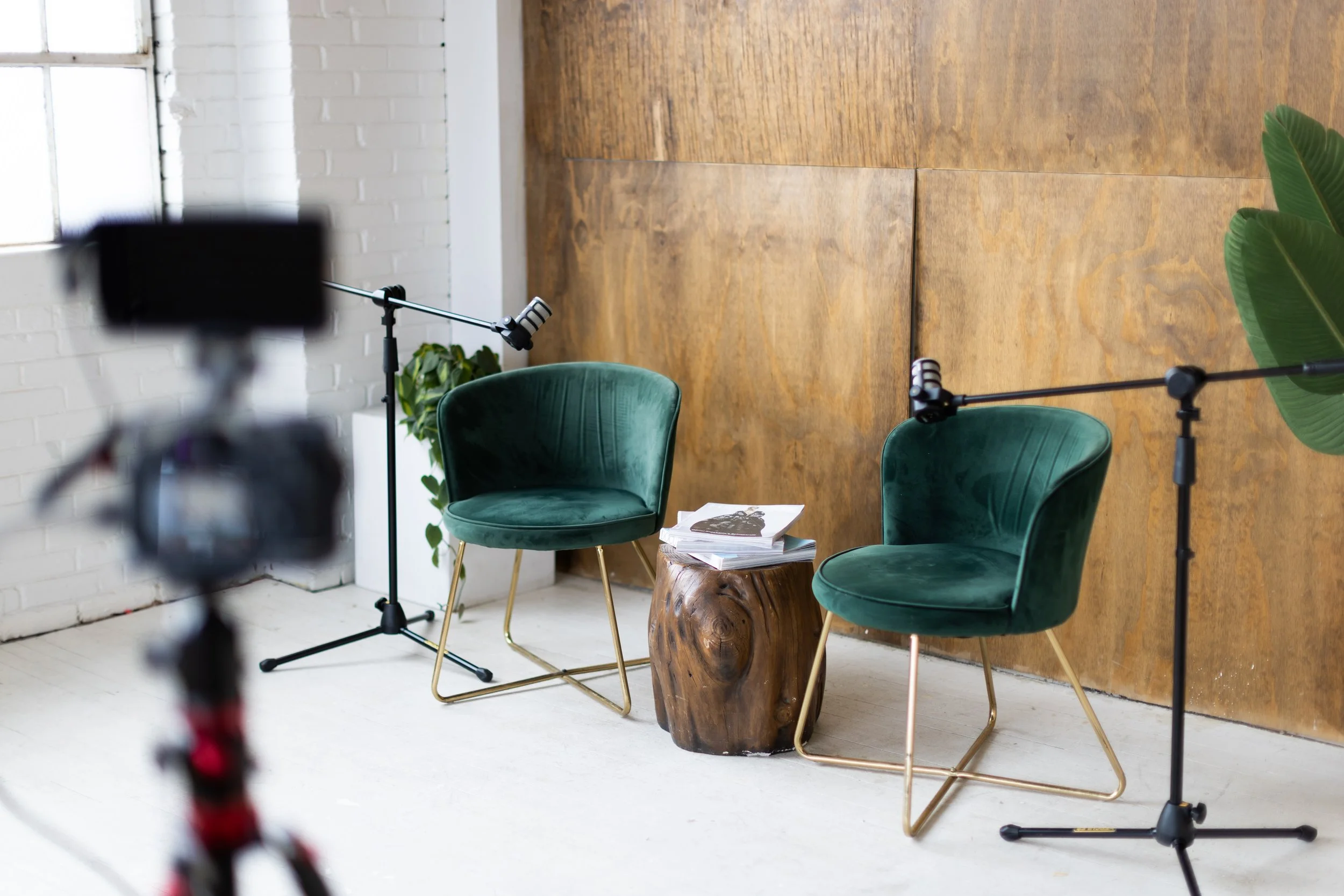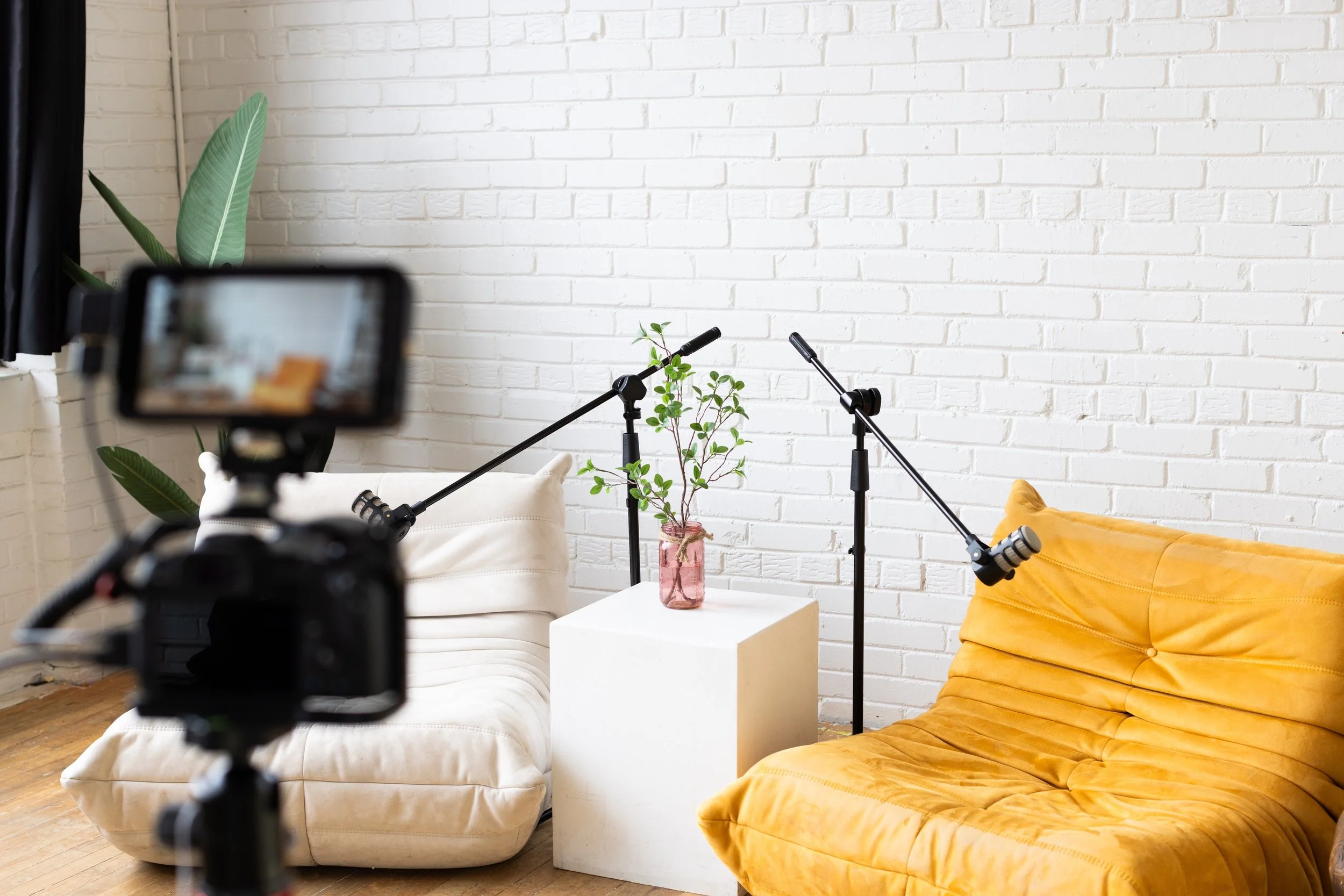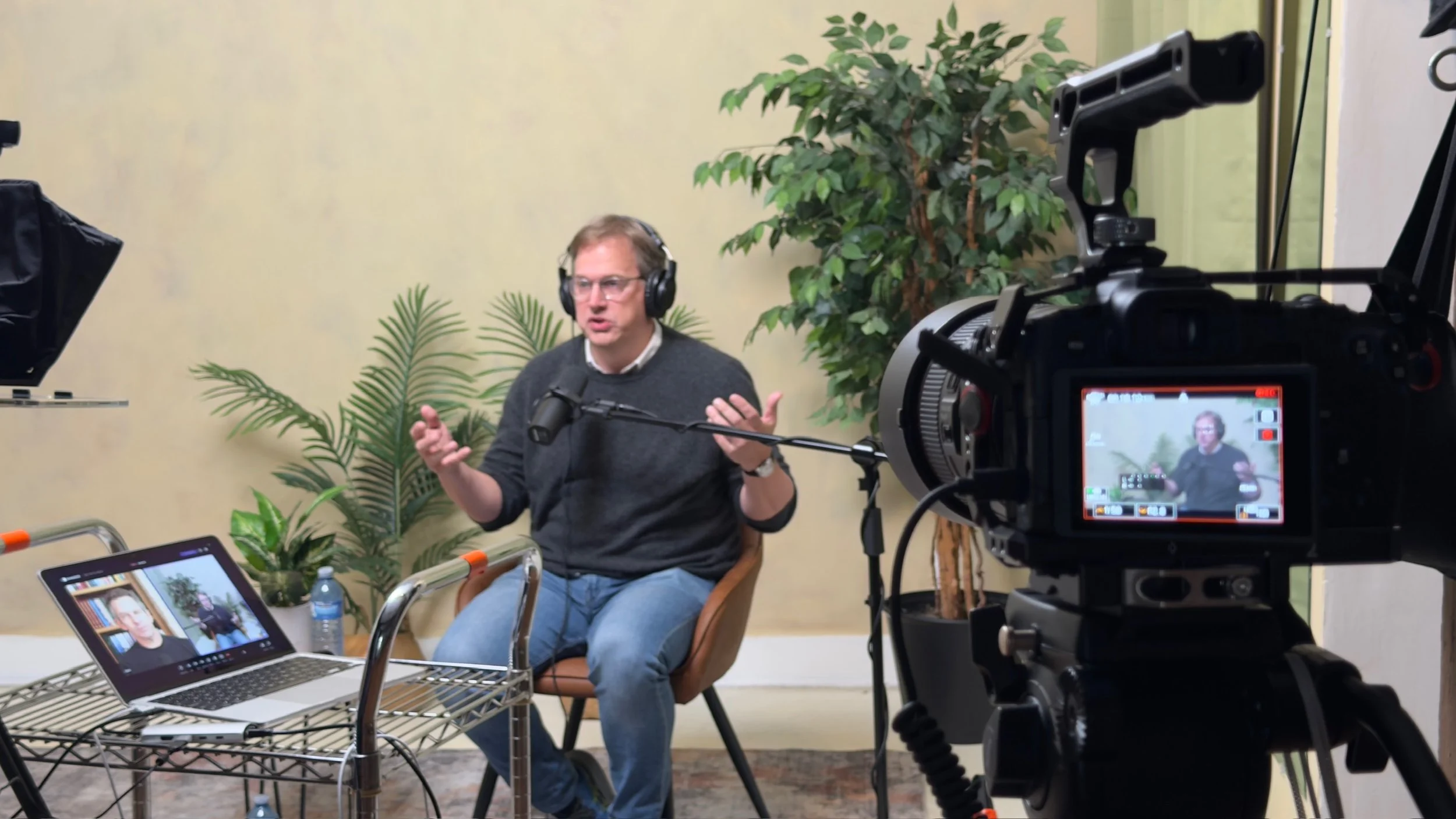
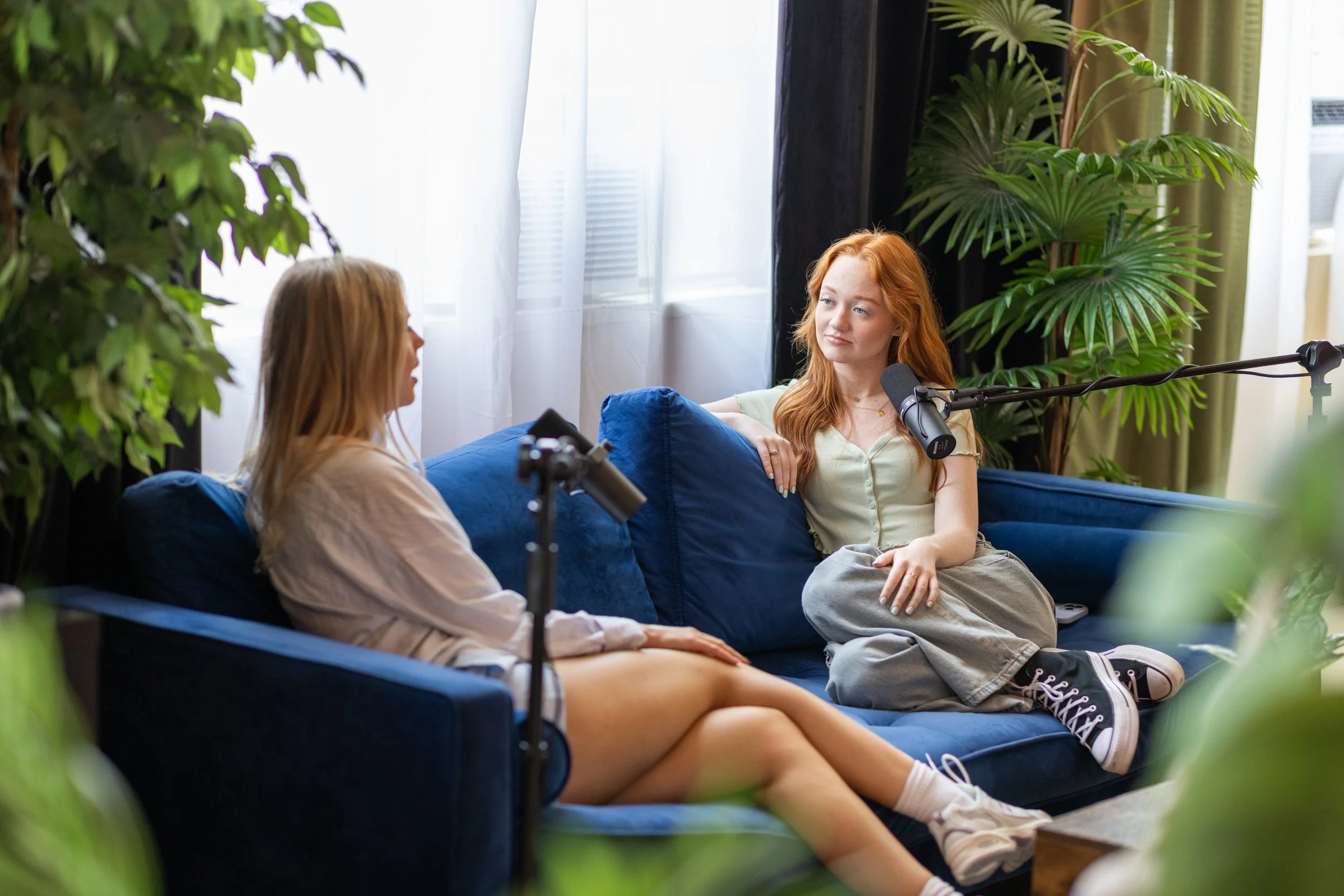
If you want the simplest path to getting episodes out consistently, start with audio. If you want the podcast to feed your content strategy more aggressively, video usually gives you more upside.
Neither format is automatically better. What matters is whether the format fits the way you actually plan to record, edit, publish, and promote the show over time.
A lot of people jump straight to video because that is what they see online. Sometimes that is the right call. Sometimes it creates more production drag than the show can support. The better question is not what looks more impressive. It is what you can sustain without stalling the whole project.
Why audio is often the easier starting point
Audio-only podcasts are simpler to produce. There are fewer moving parts, less file handling, and fewer visual decisions to make after the recording.
lower production load because you are not managing cameras, framing, or lighting
faster post-production because the editor is focused on sound, pacing, and cleanup instead of angle switching
easier guest logistics because you do not need everyone camera-ready
If the main goal is to publish consistently and get comfortable hosting, audio is often the most forgiving place to start.
Why video has become the stronger content engine
Video podcasts usually create more surface area for discovery. A full episode can live on YouTube, and the same recording can create clips for Instagram, LinkedIn, TikTok, and Shorts.
That does not mean video is mandatory. It means video often makes more sense when the podcast is also supposed to support brand visibility, founder marketing, or regular social content.
If short-form distribution matters, read how many social clips you can get from one podcast episode because that is where video usually starts pulling ahead.
What usually changes when you add video
The biggest difference is not just the camera. It is the number of decisions that appear around the camera.
lighting matters more because bad lighting makes the show feel cheaper immediately
the set matters more because the background becomes part of the brand impression
editing takes longer because switching angles, syncing, and visual cleanup add work
guest prep changes because clothing, posture, and eye line suddenly matter too
That extra complexity is exactly why some teams are better off starting with a simpler audio-first workflow and growing into video later.
When audio is the better first move
Audio is usually the better starting point when the show still needs to prove its cadence, the host is still getting comfortable, or the team does not want heavy post-production right away.
It is also a smart choice when the real value is in the conversation itself and not necessarily in visual presentation.
When video is the better first move
Video is usually the stronger first move when the podcast is part of a broader content strategy and the show needs to do more than just live on Spotify or Apple Podcasts.
If the goal is to create a visible brand asset, bring in guests, build authority, and repurpose the recording across multiple channels, video often gives you more leverage per session.
Cost usually follows complexity
In most cases, audio-only production costs less than video production because there is less capture equipment and less post-production work. Once you add multiple cameras, lighting, and clip editing, the budget usually climbs.
If you want the practical pricing side first, compare how much podcast editing costs with how much podcast production costs in Canada.
The smarter default for most brands
If you are building a business podcast or founder-led show, the best answer is often video if you can support it properly, and audio if that is the version you can actually keep publishing.
That is the real tradeoff. Video gives you more reach potential. Audio gives you a lighter system. The better format is the one that helps you stay consistent without lowering the overall quality.
Final Thoughts
If you need a simple rule, start with audio when ease and consistency matter most, and start with video when the podcast also needs to power a broader content strategy.
If you want help choosing the format based on your setup, you can explore the Toronto podcast studio, compare the fuller production support, or send a message on WhatsApp.