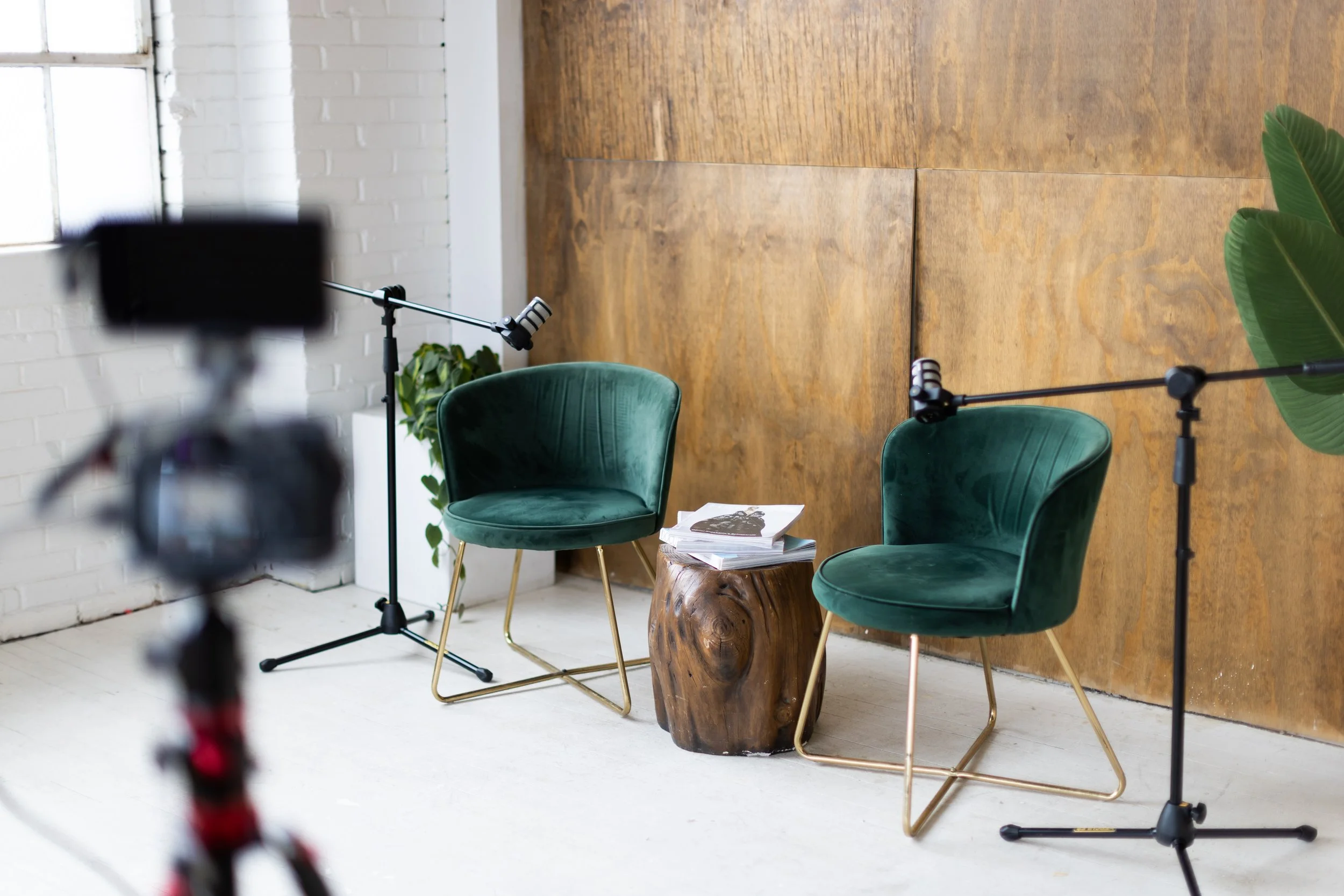
Booking a 1-hour podcast session sounds simple, but most people want to know what actually happens inside that hour and whether it is enough time to get something useful.
In most cases, yes. A well-run 1-hour session is usually enough for a clean interview, a solo episode, a founder conversation, or a short branded content piece, especially when the room, microphones, lighting, and cameras are already ready before you arrive.
The biggest difference is whether you are booking a room-first rental or a more managed production session. The more the setup is handled ahead of time, the more of that hour goes toward actual recording.
Before you walk in
A strong session should not begin with you figuring out where lights go or how to position every microphone. In a production-led setup, the technical part is usually already dialed in before you arrive.
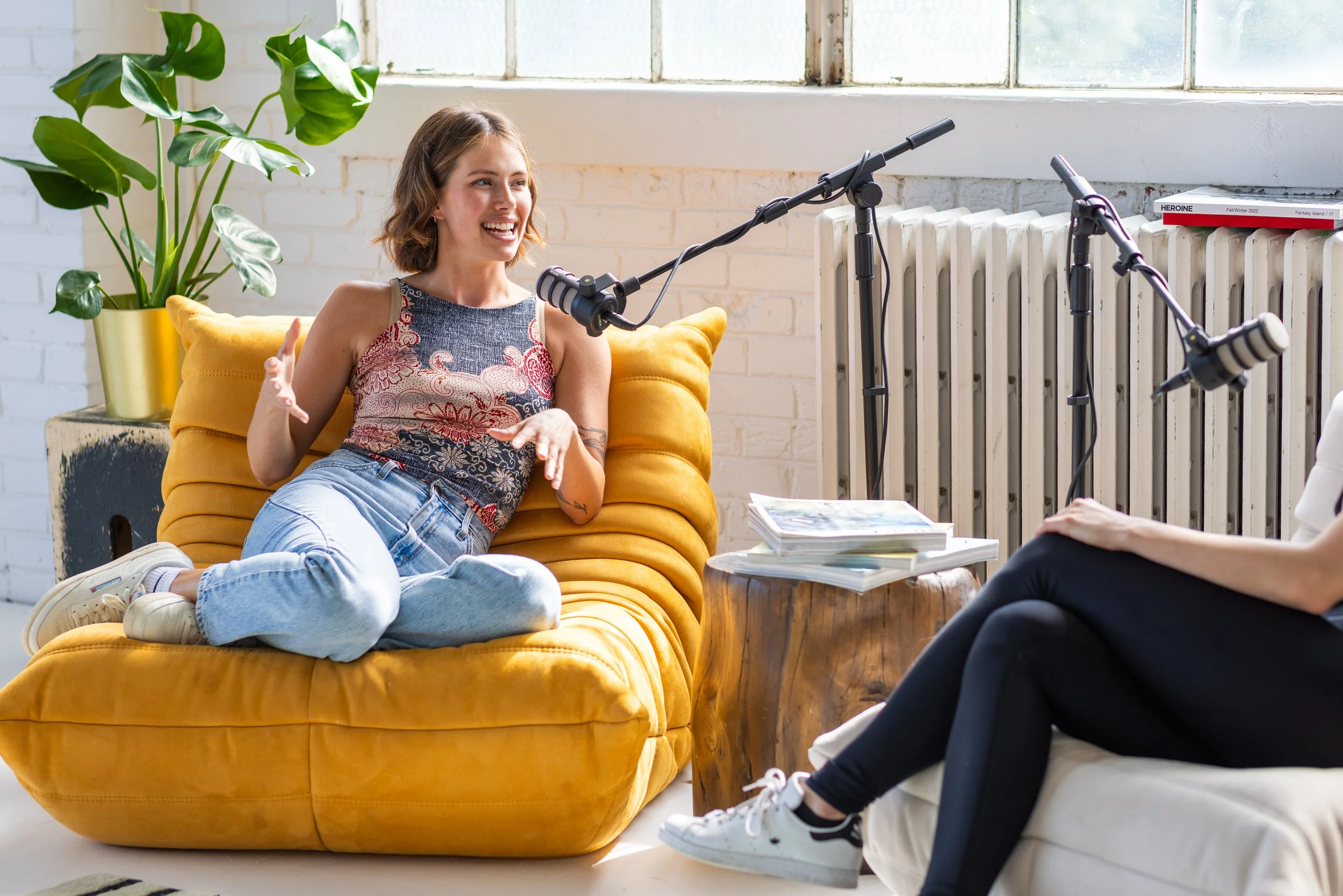
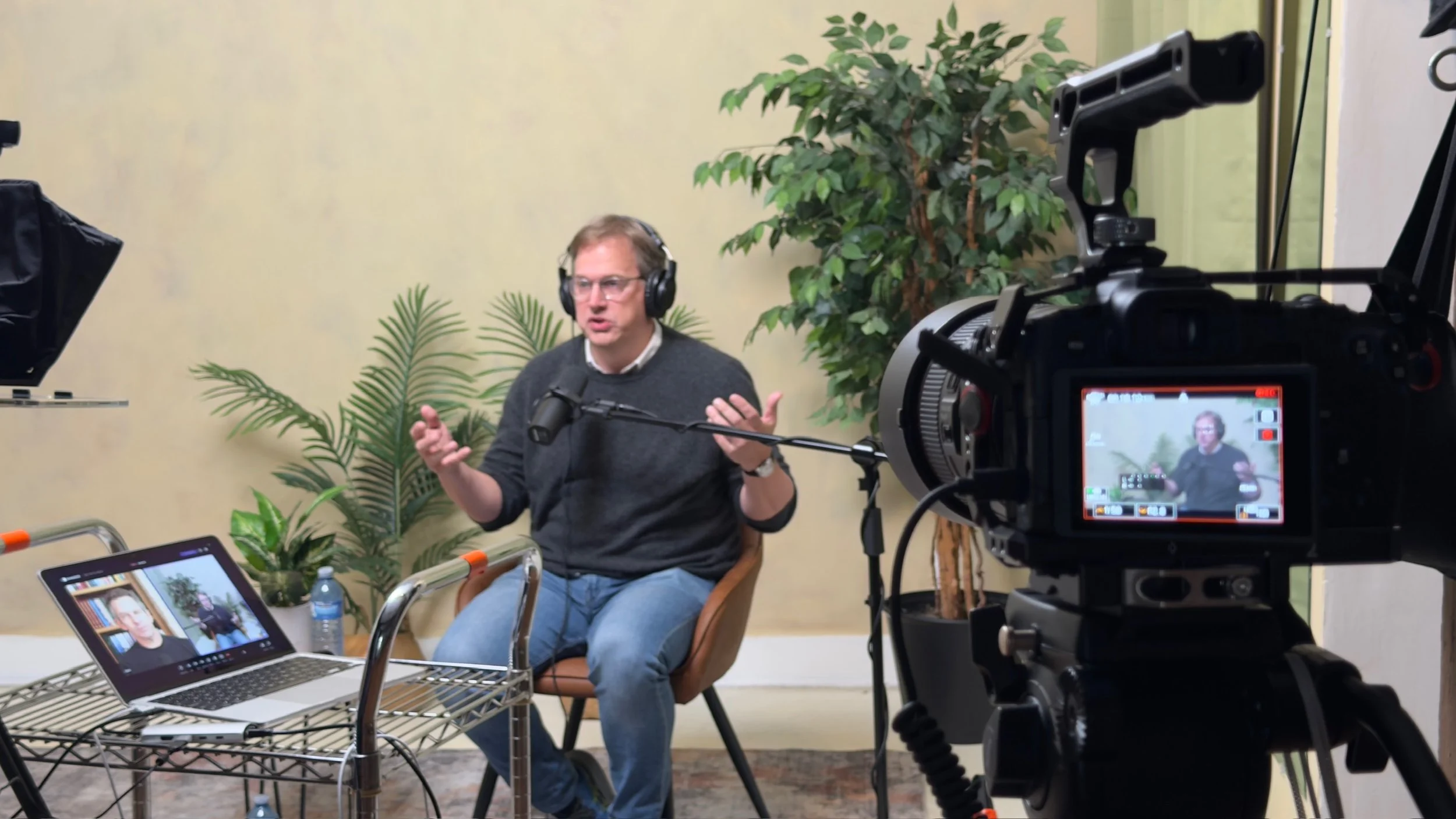
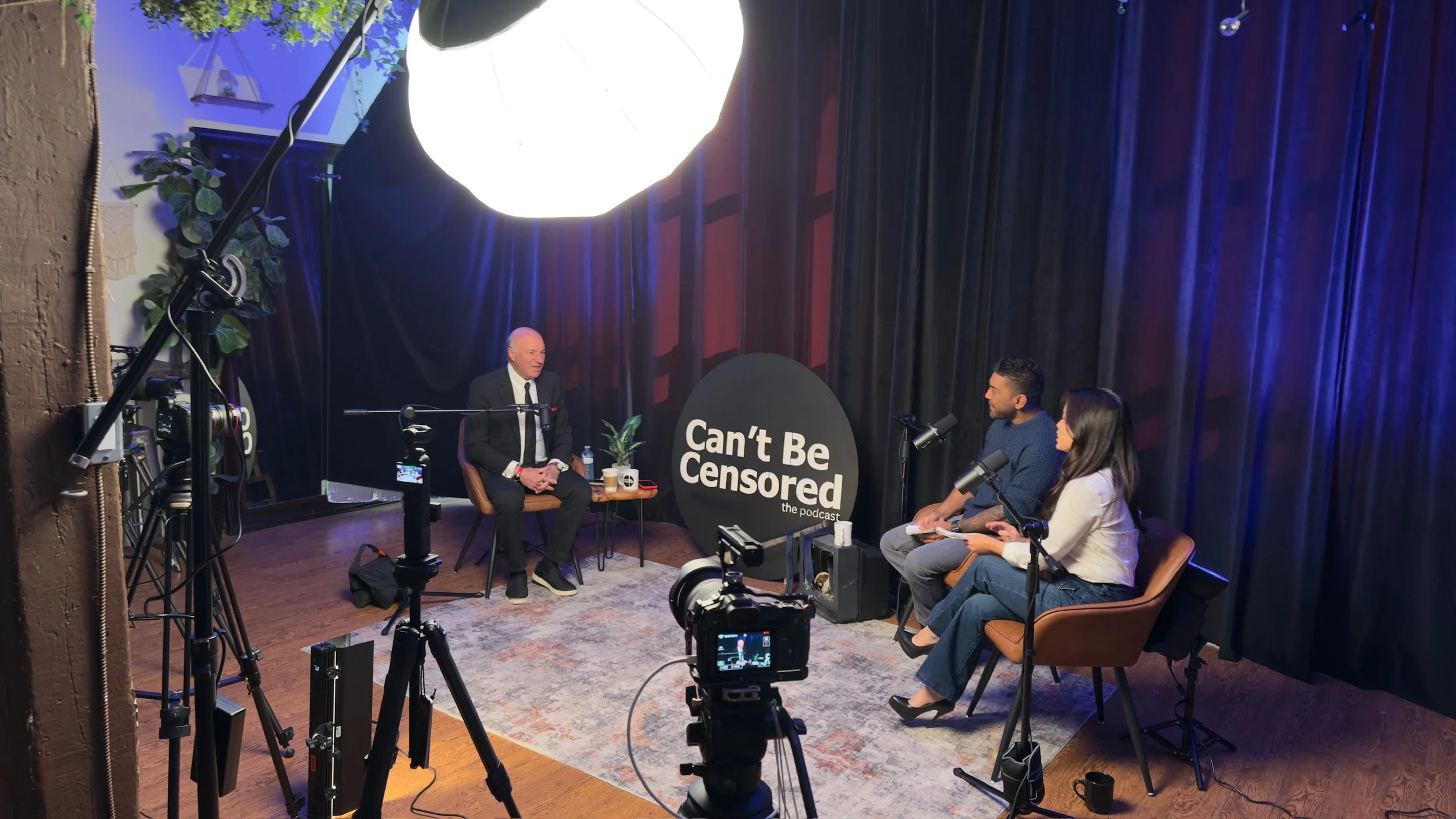
That usually means the seating is arranged, camera positions are chosen, lighting is set, and the microphones are ready to go. If your booking includes more than one guest, the main thing left is confirming who sits where and what kind of conversation you are recording.
Minutes 0 to 10: Arrival and quick alignment
The first few minutes are usually about settling in and removing any confusion before the recording starts.
This is where you confirm the episode topic, check whether you want a tighter interview or a looser conversation, and make quick decisions about intros, sponsor mentions, or any specific points you want to hit. If the session is filmed, this is also where framing and eyelines are checked.
Nothing complicated should be happening here. The goal is to get comfortable, not to burn half the booking troubleshooting.
Minutes 10 to 15: Sound and camera check
Once everyone is seated, audio levels are checked and the microphones are positioned properly. A short test conversation usually happens so the pacing, volume, and camera framing can be adjusted before the real take starts.
This part often feels minor, but it is one of the reasons a studio session works better than a rushed DIY setup. A five-minute check here can save a lot of editing trouble later.
Minutes 15 to 50: The actual recording
This is where most 1-hour podcast sessions really live.
In practice, you usually get around 30 to 40 minutes of real conversation, sometimes more if the format is tight and the host knows exactly where the episode is going. That is enough for a surprising amount of useful content.
A 1-hour session usually works well for:
a solo talking-head episode
a focused one-on-one interview
a founder or brand conversation
one clean episode with a clear beginning and end
If you are recording with a guest, this is where preparation matters. A loose outline or short question list goes a long way. The less time you spend deciding what to ask next, the more value you get from the hour.
Minutes 50 to 60: Pickups, photos, and wrap
The last part of the session is usually where you record anything you missed and clean up the edges.
That can mean a second take on the intro, a cleaner outro, a short call to action, or a few quick stills that can be used for thumbnails and social posts. This part is easy to underestimate, but it is often what makes the session feel complete instead of rushed.
It is also the moment to confirm what happens next. Are you taking raw files and handling the rest yourself? Are you adding editing? Do you need clips afterward? Those answers shape what the session turns into after you leave.
What you usually get from a session like this
The exact deliverables depend on the booking, but a managed Toronto podcast session like ours usually includes the studio, two camera angles, up to four professional microphones, lighting, and full setup handled for you.
From there, some clients keep things simple and just record. Others add editing, social clips, extra camera angles, or a teleprompter depending on the style of the show. Current studio sessions typically start between $300 and $335 depending on the room and setup, while on-site recording starts at $575.
Is 1 hour enough?
Usually yes, if the goal is one polished episode and the format is straightforward.
You may want more than an hour if:
you are rotating multiple guests in and out
you want several episode variations from the same booking
the content is heavily scripted or brand-directed
you expect lots of retakes or stop-start segments
For most creators and brands, though, 1 hour is a strong starting format because it is focused, repeatable, and easier to keep on schedule.
How to get more value out of the hour
If you want the session to feel efficient, a few small things make a big difference:
arrive with a clear topic and rough episode angle
keep the intro simple instead of overproducing it on the spot
know whether you want a full episode, clips, or both
leave a few minutes for pickups instead of using the entire hour as one uninterrupted take
The less friction there is inside the session, the more professional the final result usually feels.
Final Thoughts
A 1-hour podcast session works best when the production side is already organized. The less time you spend thinking about lights, framing, microphones, and resets, the more useful that hour becomes.
If you want a Toronto setup where the room, cameras, audio, and flow are already handled, you can explore the podcast studio page, compare the rental options, or look at podcast production support if you want more than just the room. If you want to talk through the right setup first, reach out on WhatsApp or by email.